Tonhain - Dream Portraits
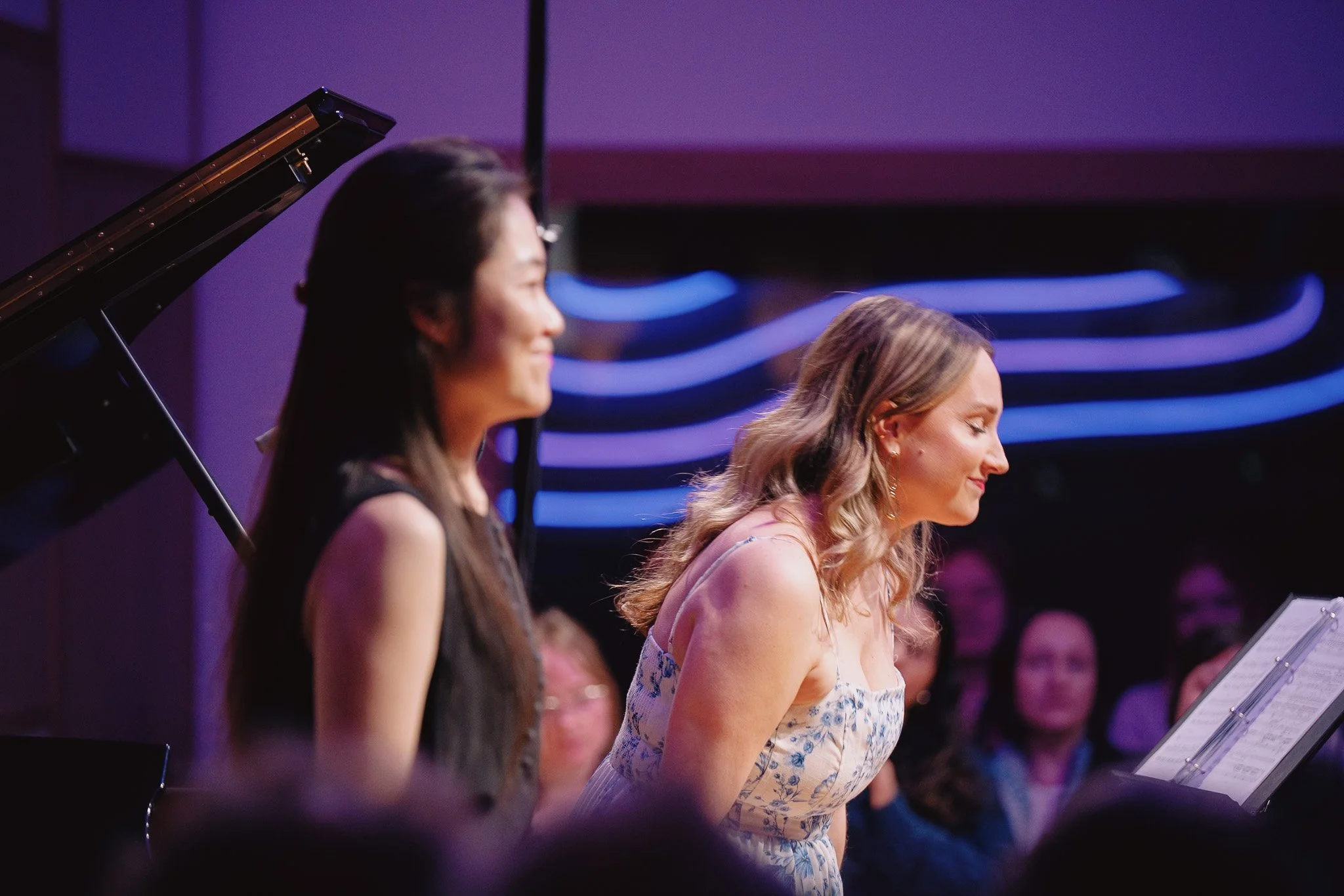
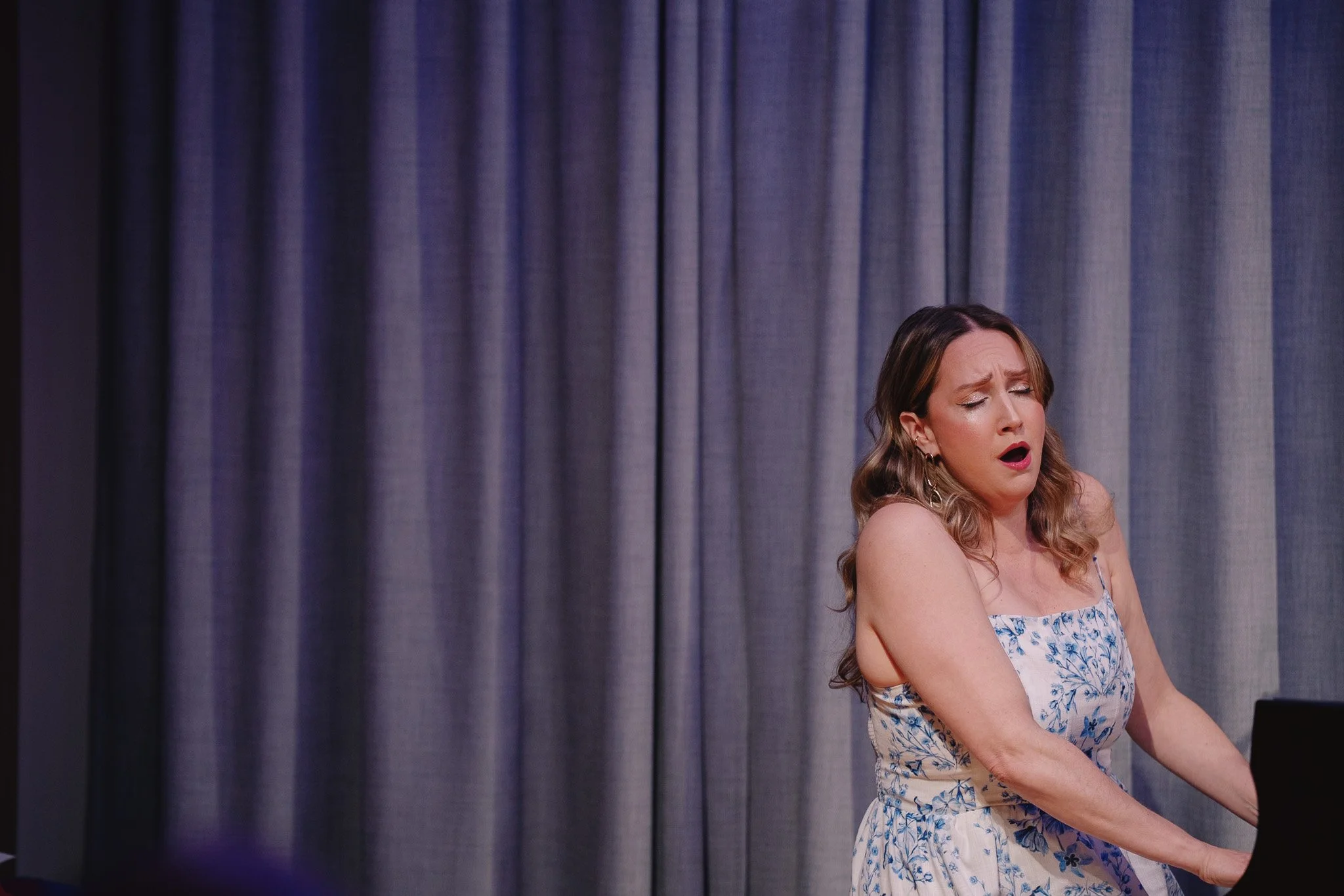
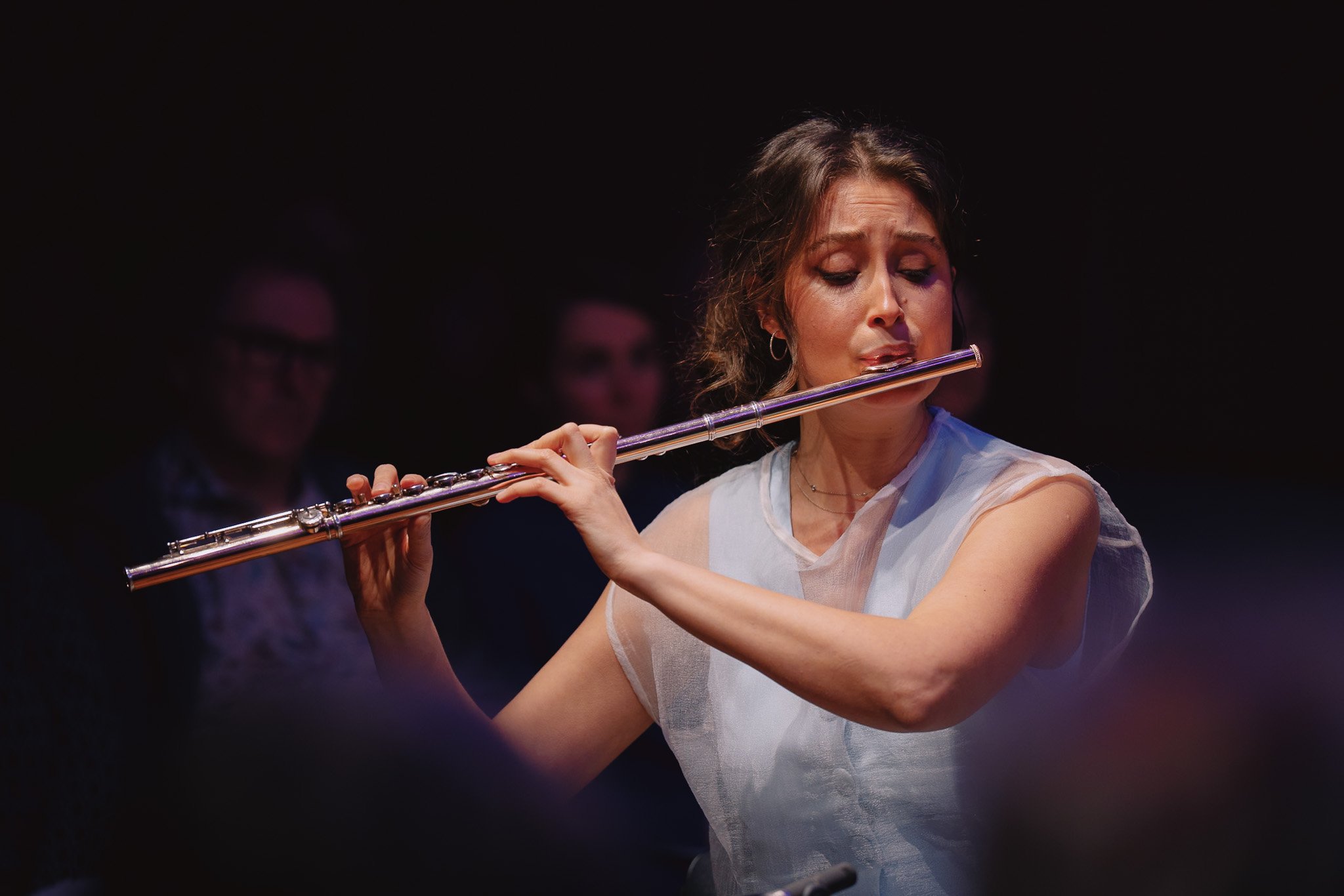
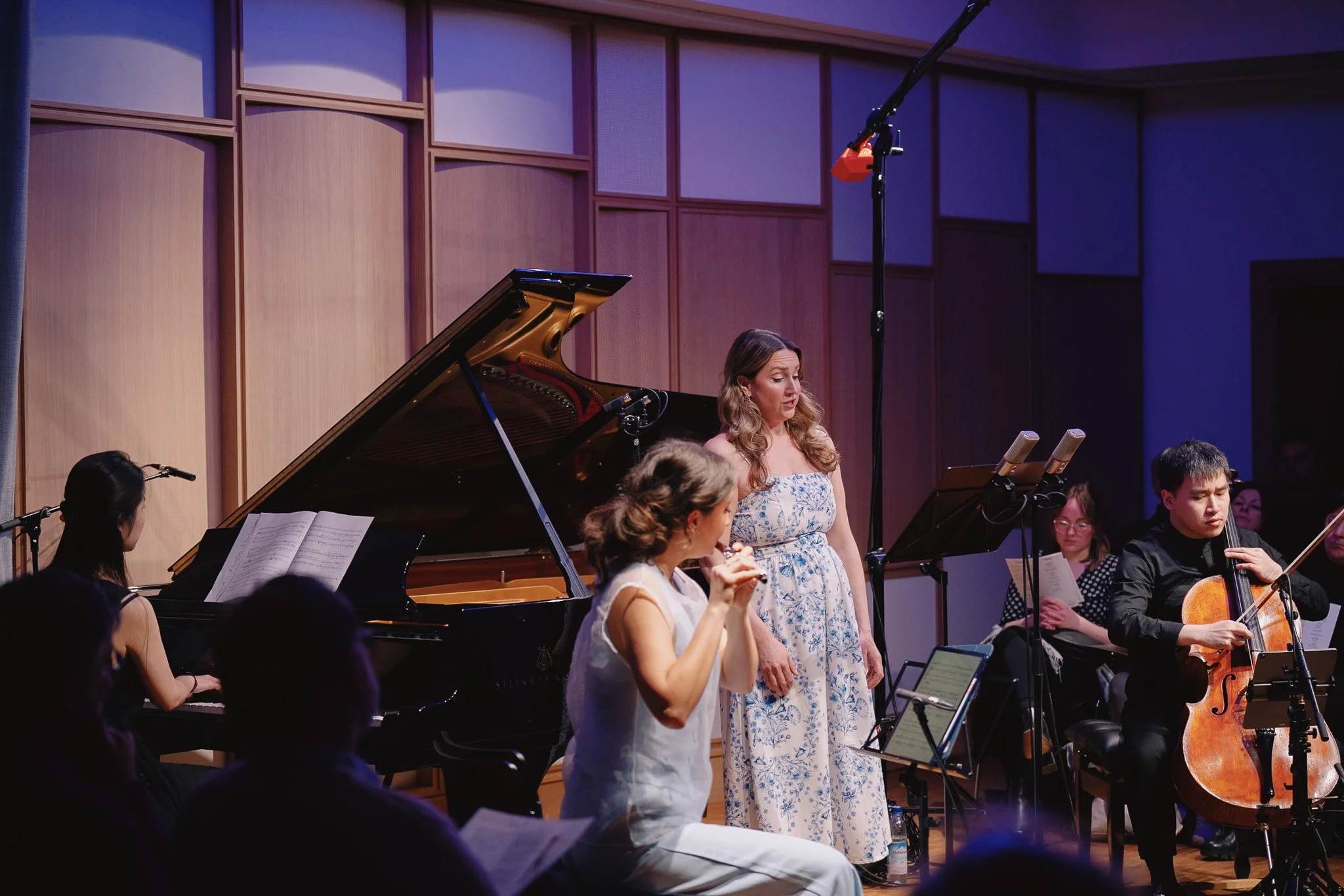
Another evening at Tonhain. This time with music by Bonds, Weill, Eisler, Messiaen and Ravel. Margaret Bonds, a Black woman composer and pianist, studied at Northwestern University in Chicago during the 1930s—a period marked by severe racial discrimination and oppression in the United States. Set to texts by poet-activist Langston Hughes, Three Dream Portraits reflects Bonds’s engagement with African American identity and her hope for a better future. Maurice Ravel’s Chansons Madécasses (Madagascar Songs) sets to music evocative texts by Évariste de Parny, a French poet who imagined the voices of indigenous Madagascar people. The songs explore resistance to colonial oppression—a poignant reflection on cultural identity and political struggle. Meanwhile, in 1930s Germany, Kurt Weill and Hanns Eisler composed a wide range of protest songs—both satirical and uplifting—in response to the rise of fascism, aiming to inspire resistance against growing oppression. In 1941, Olivier Messiaen wrote his legendary Quartet for the End of Time while imprisoned as a prisoner of war in Görlitz. This masterpiece embodies human endurance and spiritual triumph amid the darkest adversity, blending mystical symbolism with groundbreaking musical innovation.
Margaret Bonds: Three Dream Portraits for voice and piano
Kurt Weill: "Und was bekam des Soldaten Weib?"
Hanns Eisler: "An den kleinen Radioapparat", & "Die Landschaft des Exils"
Olivier Messiaen: Trois Mélodies for soprano and piano
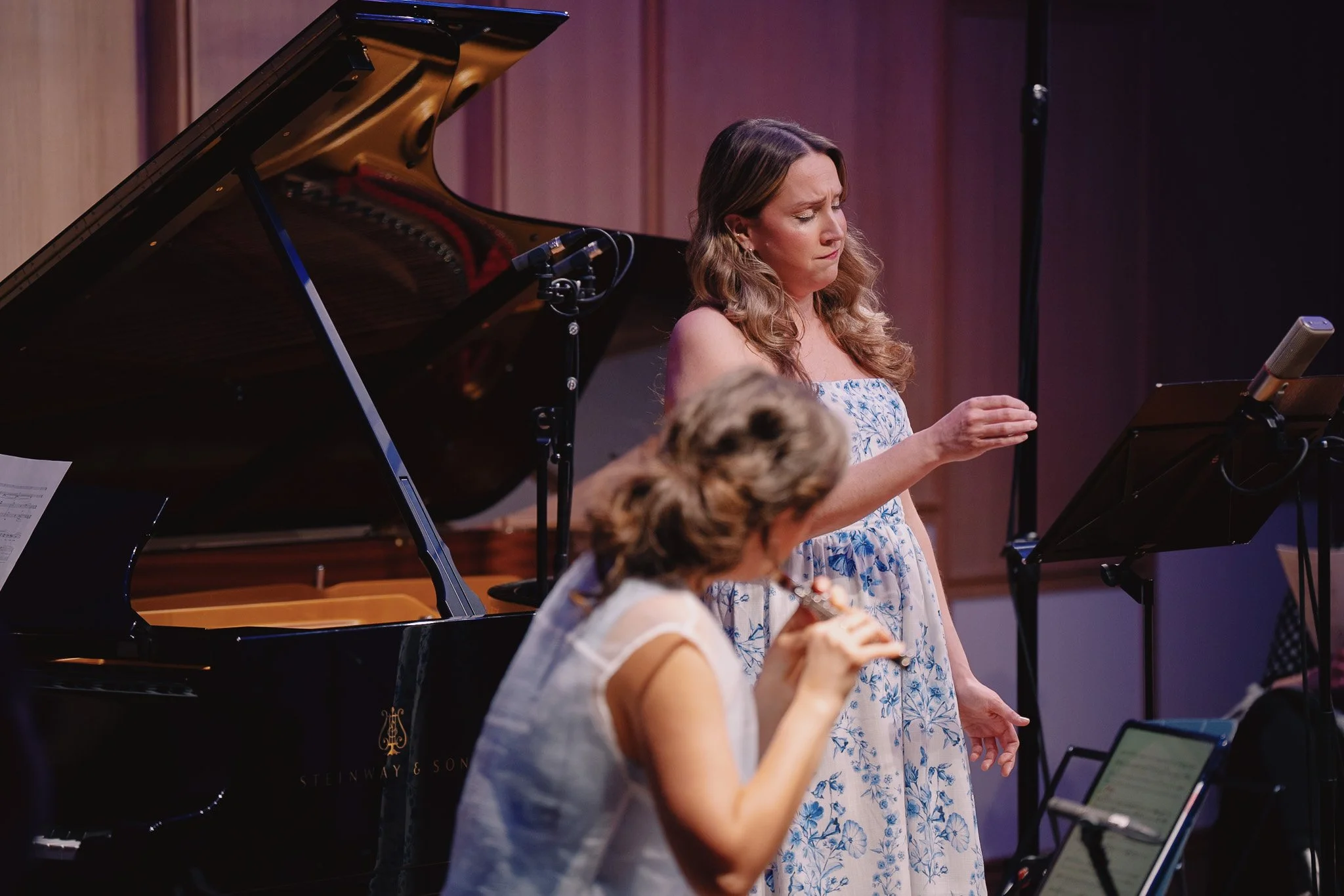
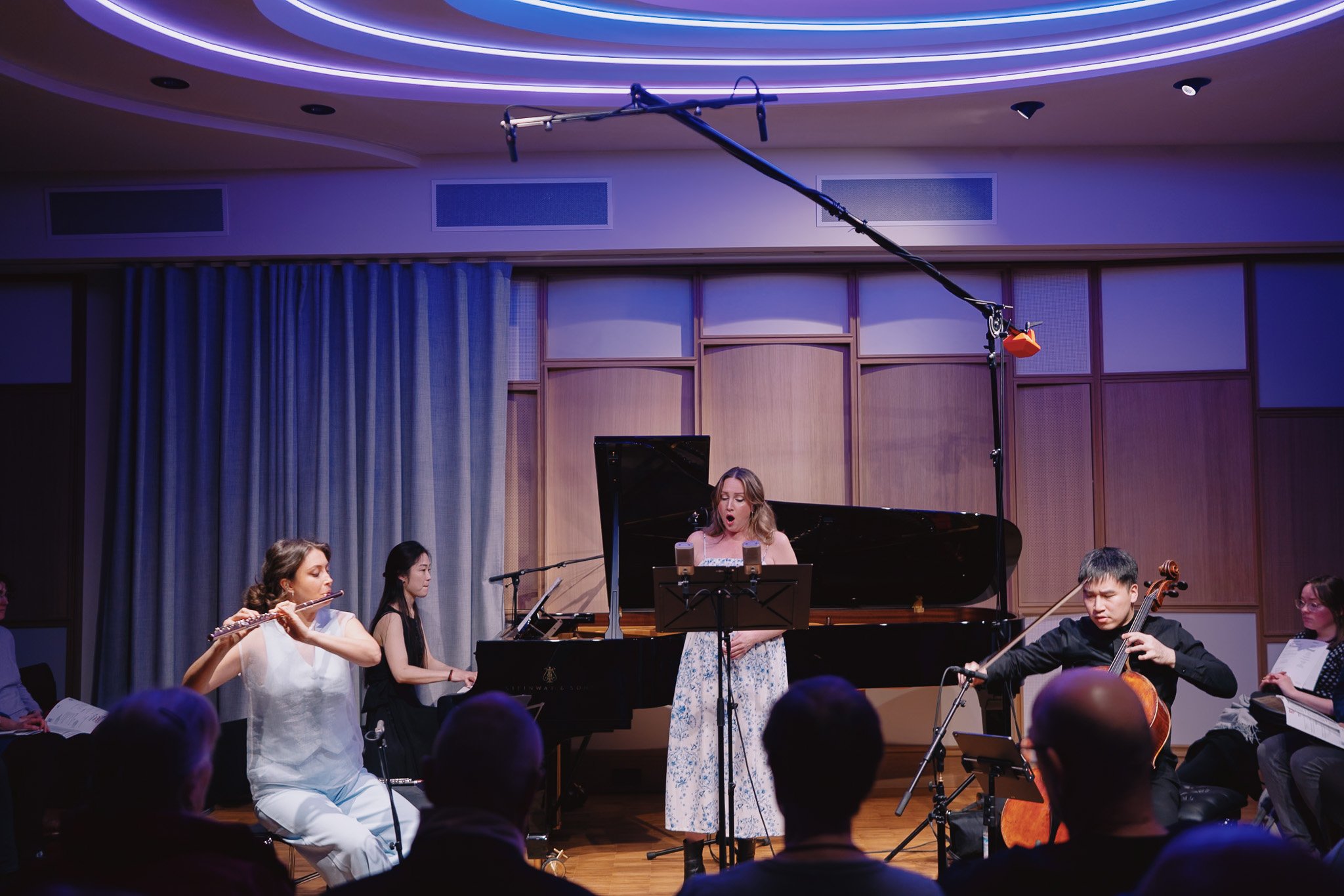
Maurice Ravel: Chansons madécasses for flute, voice, cello, piano (1925/6)
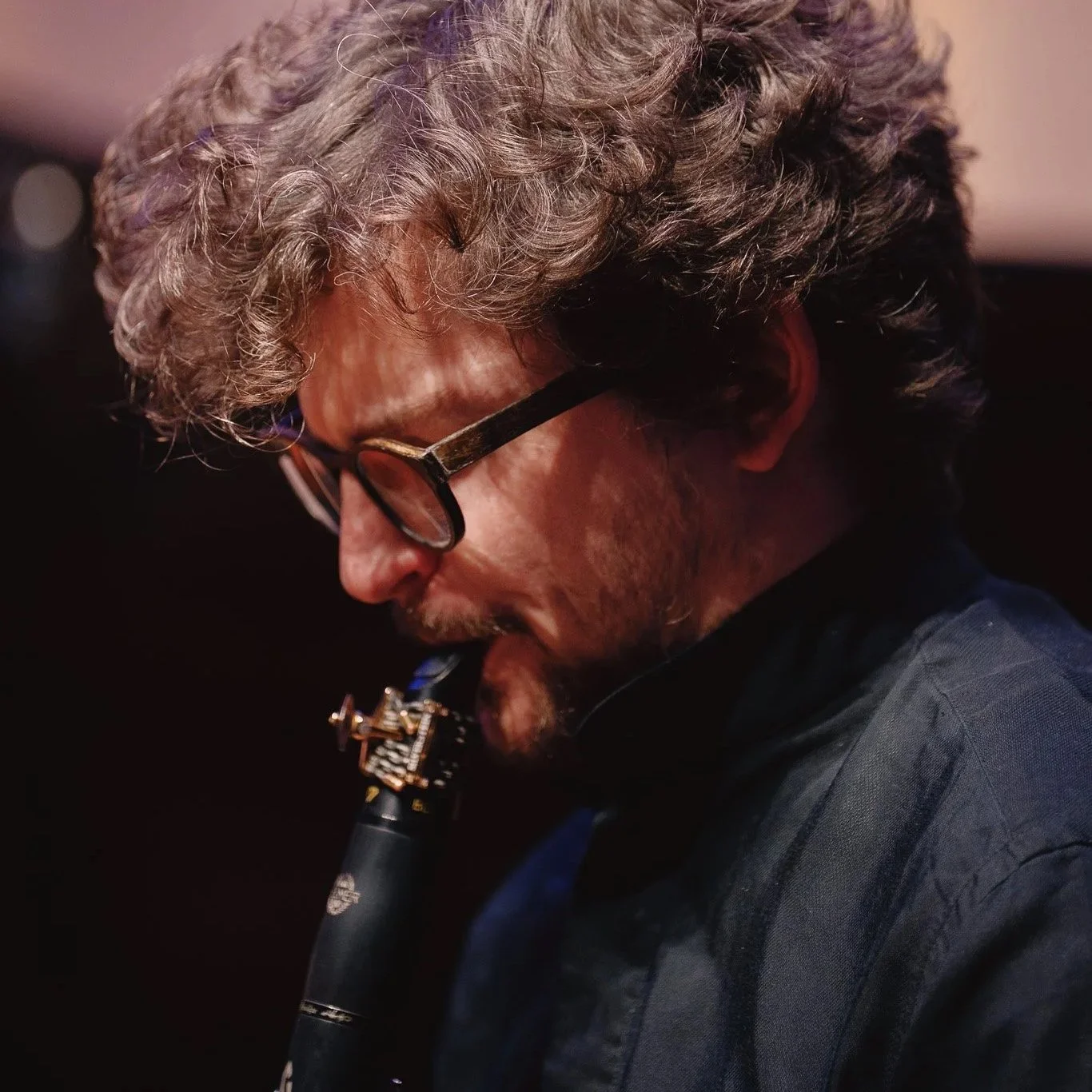
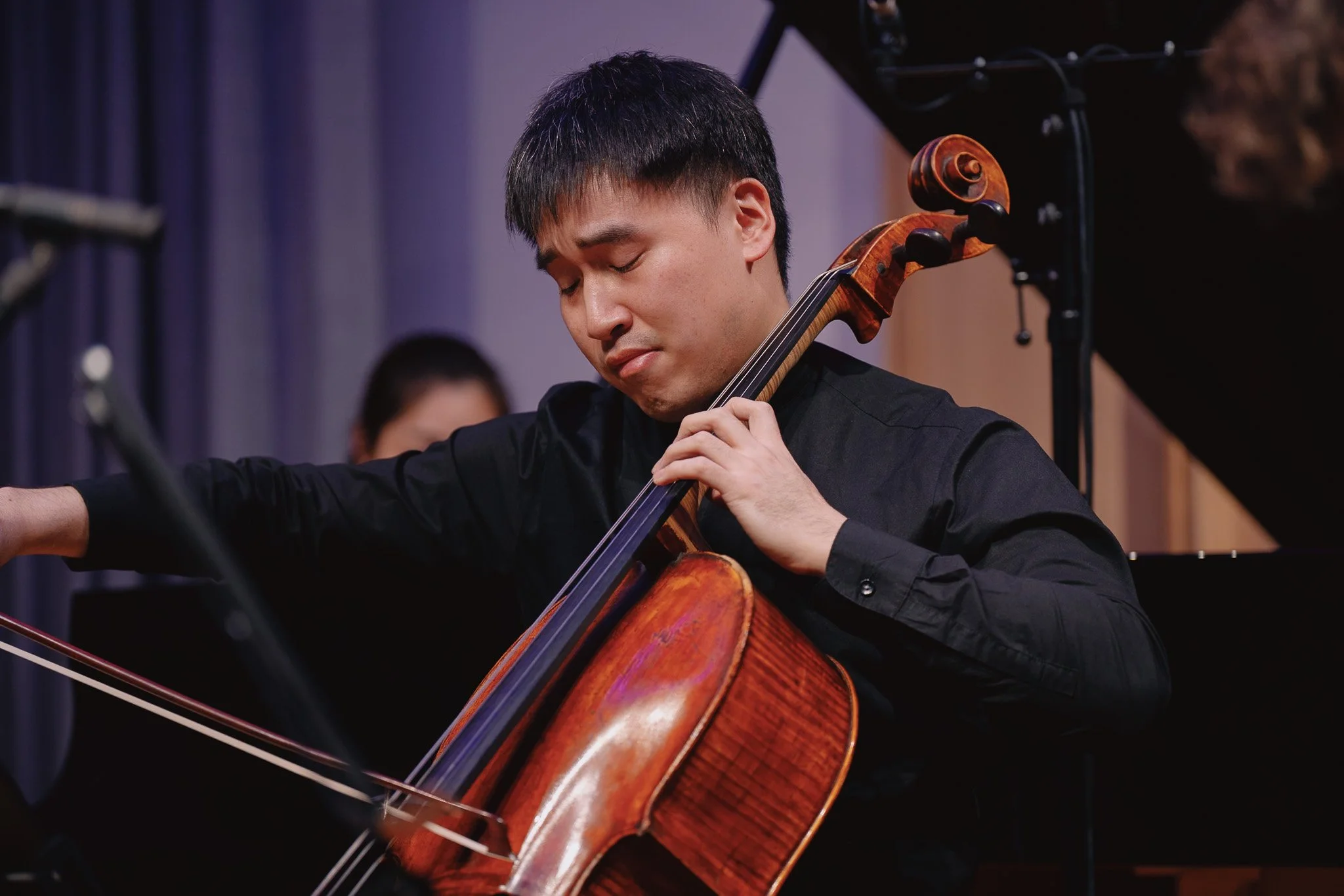
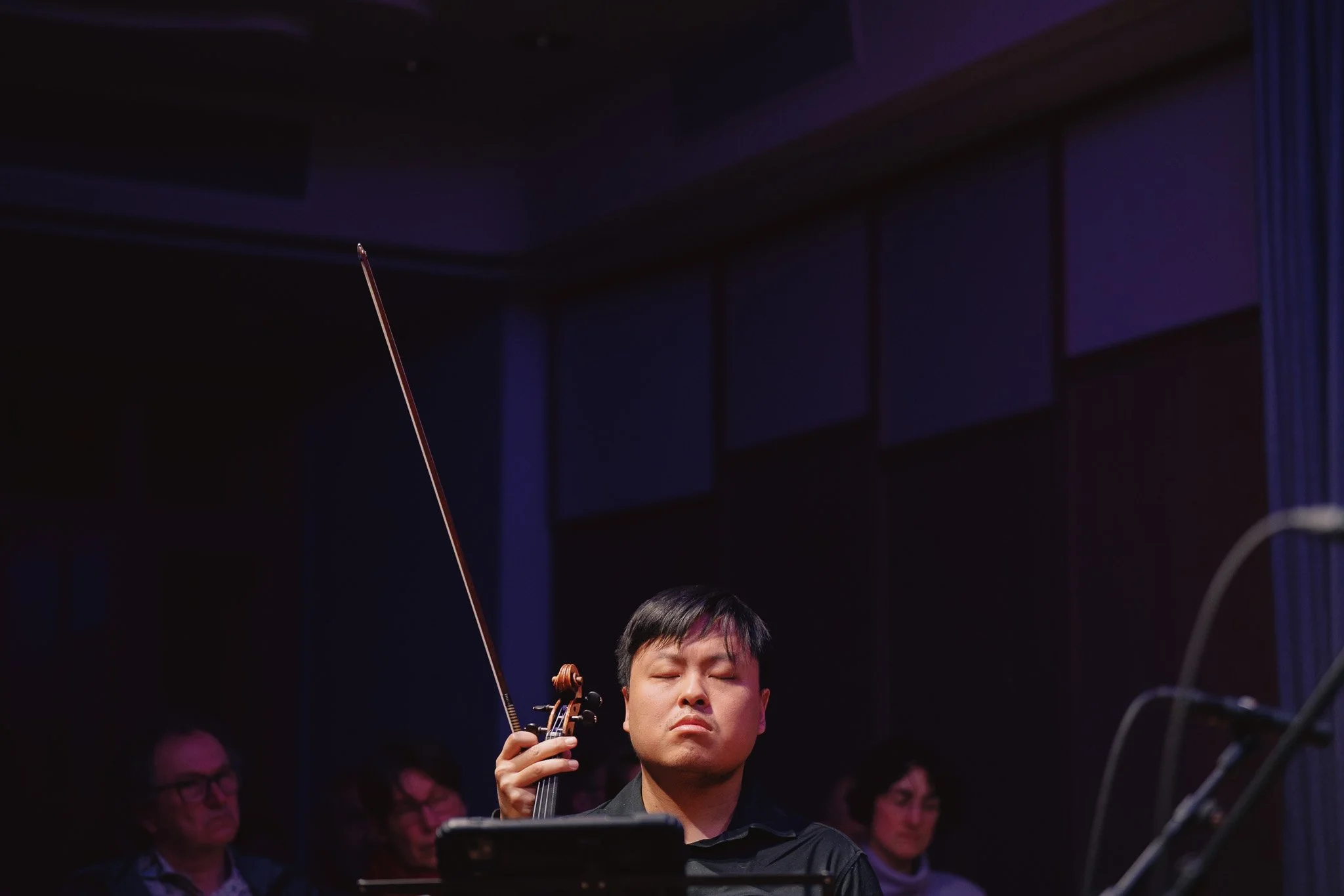
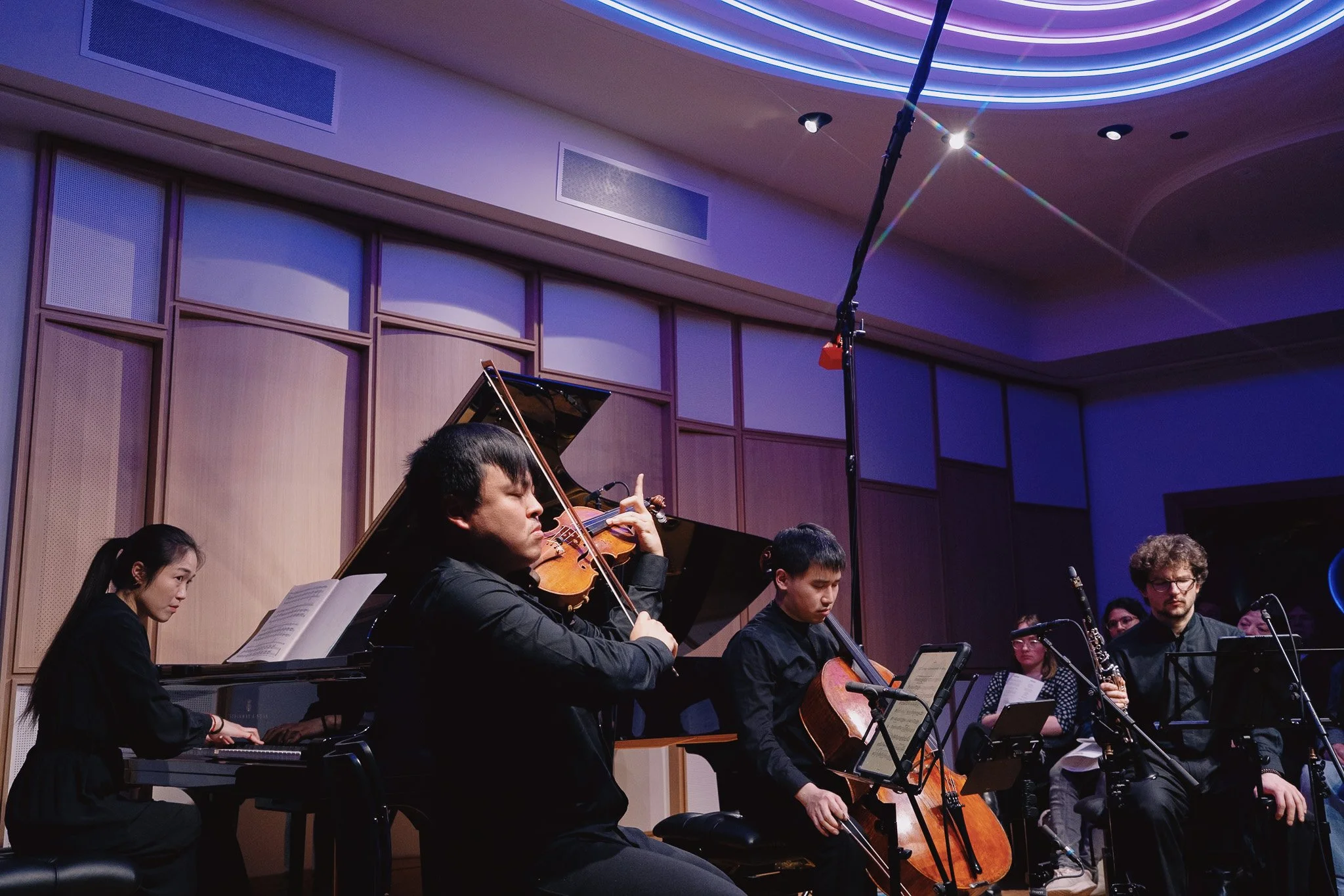
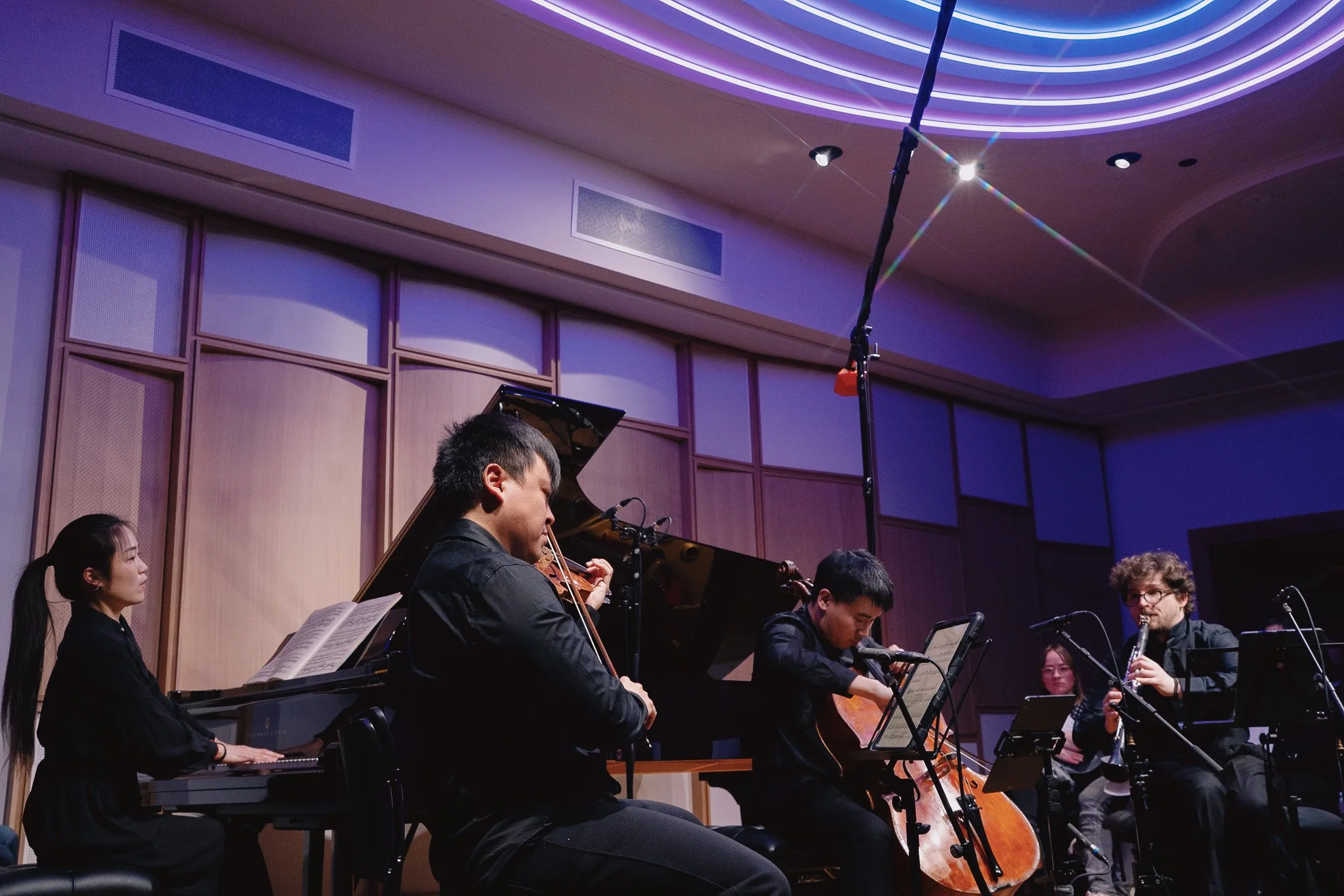
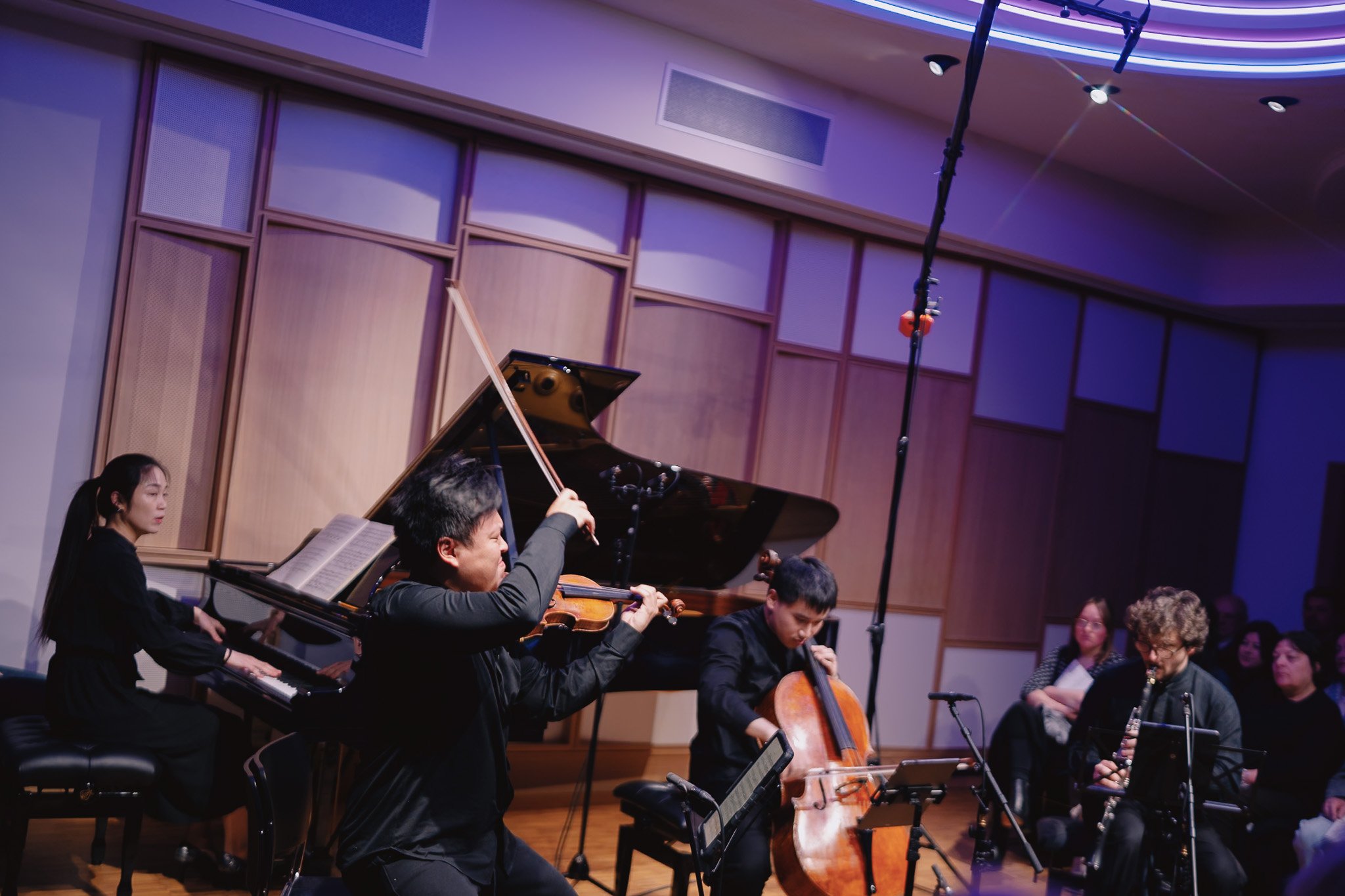
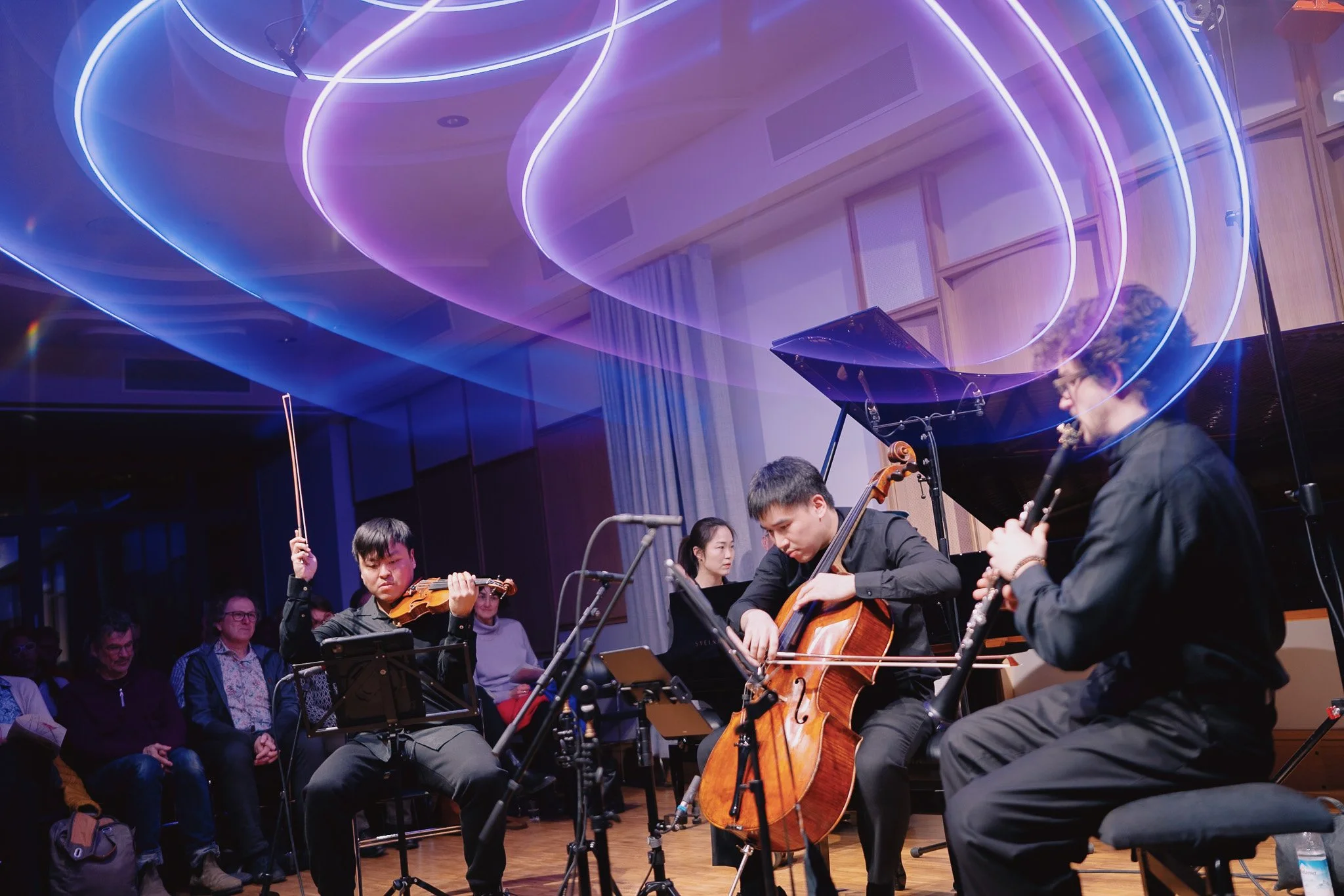
Olivier Messiaen: Quartet for the End of Time (1941) for clarinet, violin, cello, and piano
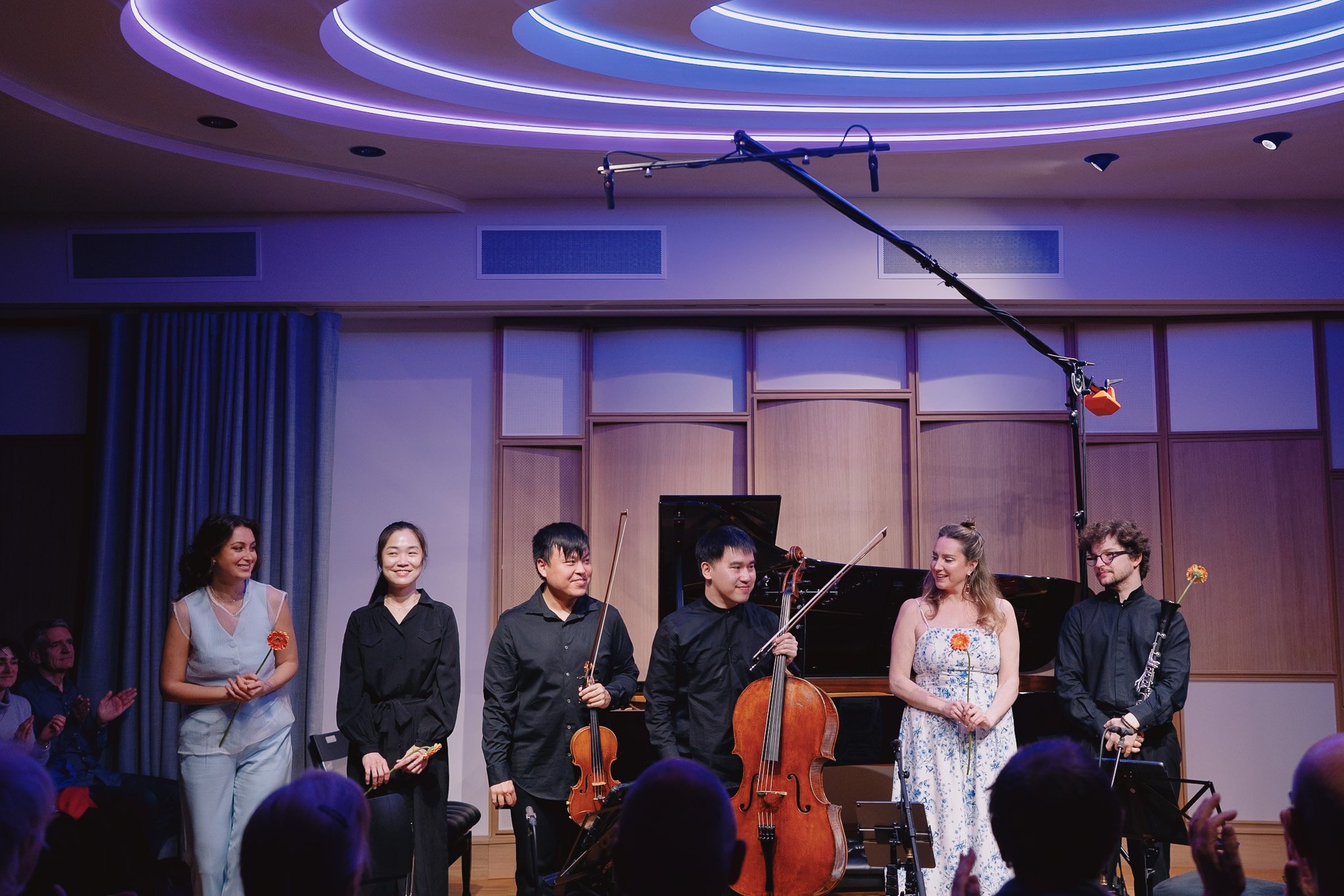
Luke Hsu violin
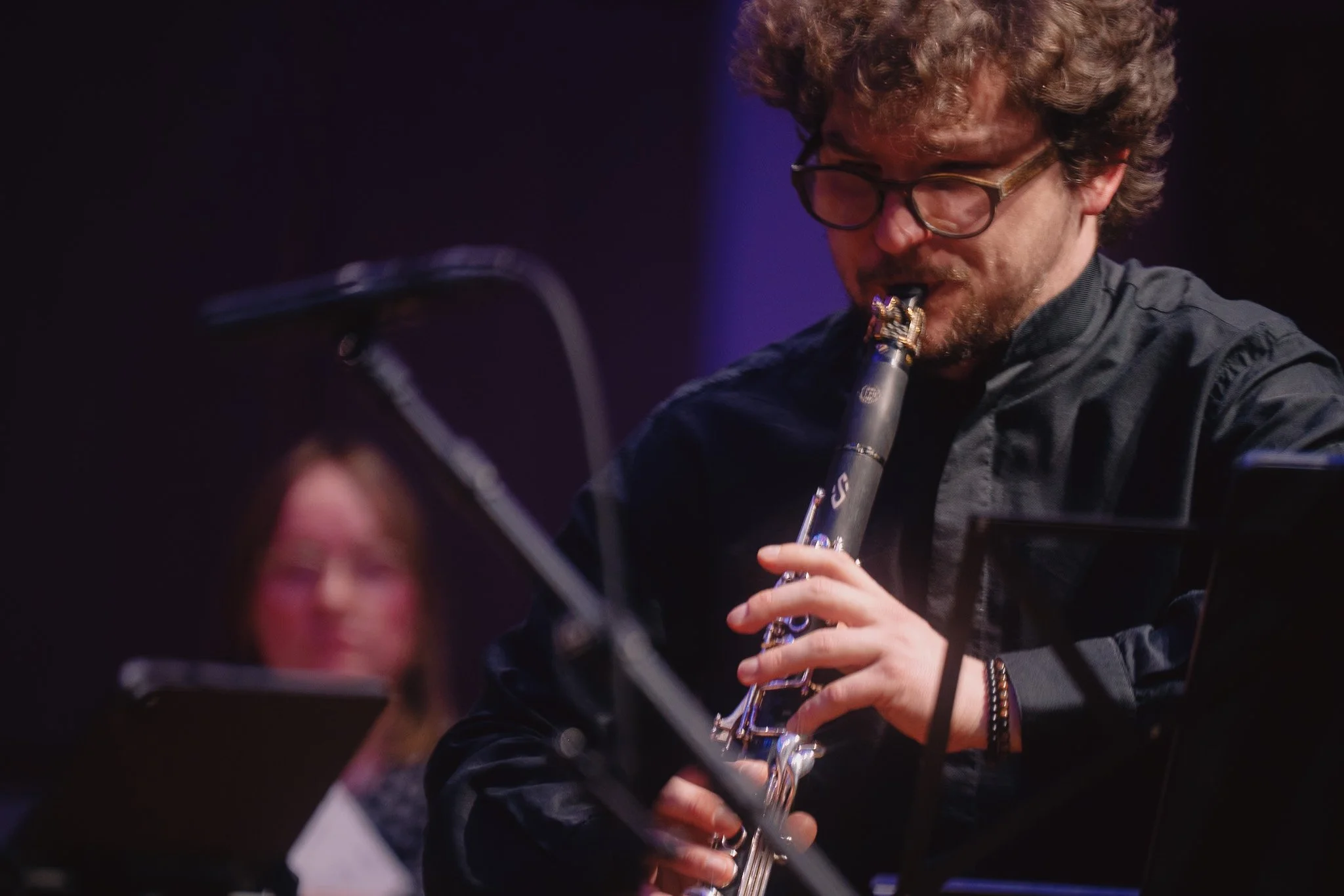
Žilvinas Brazauskas clarinet
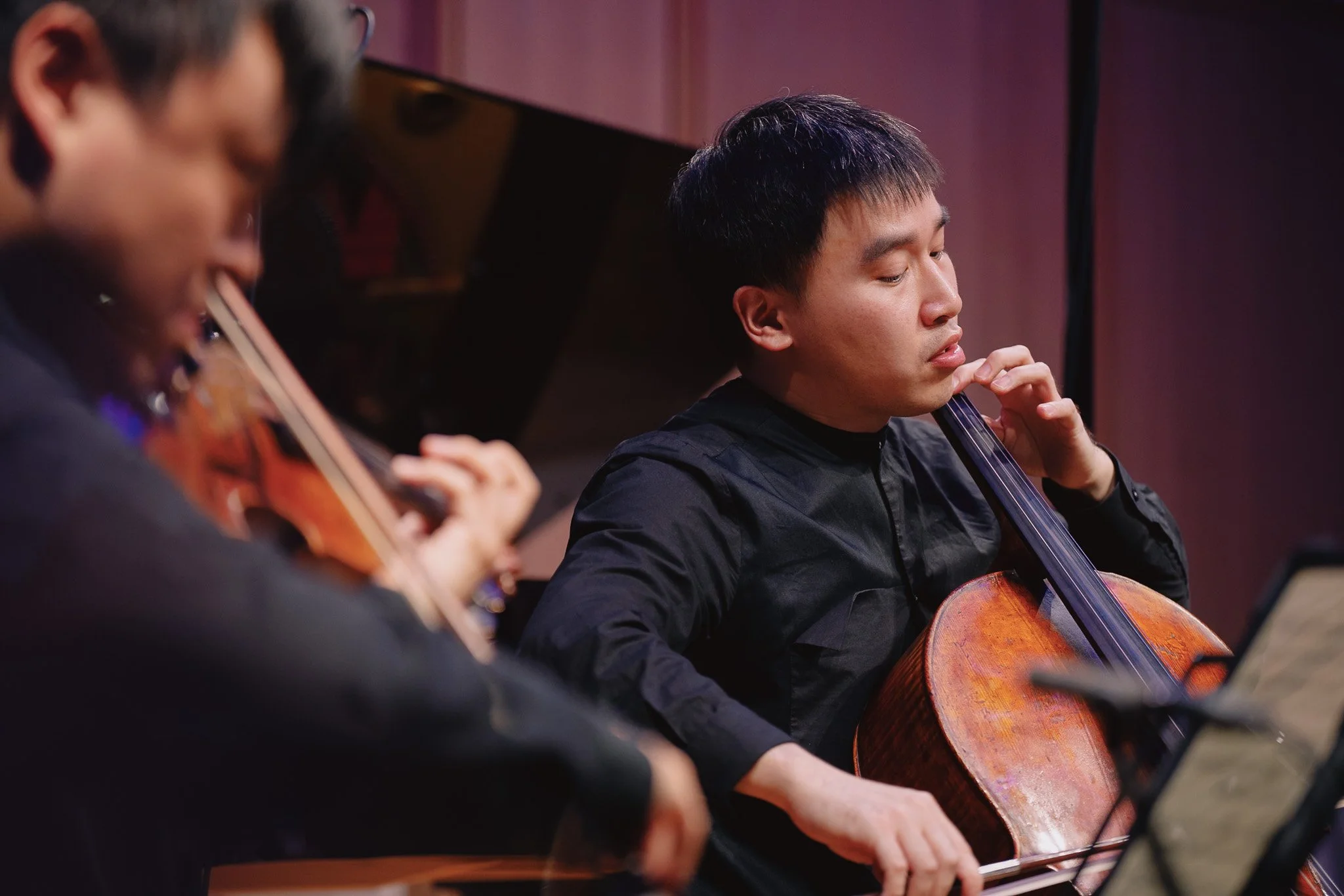
Benjamin Lai cello
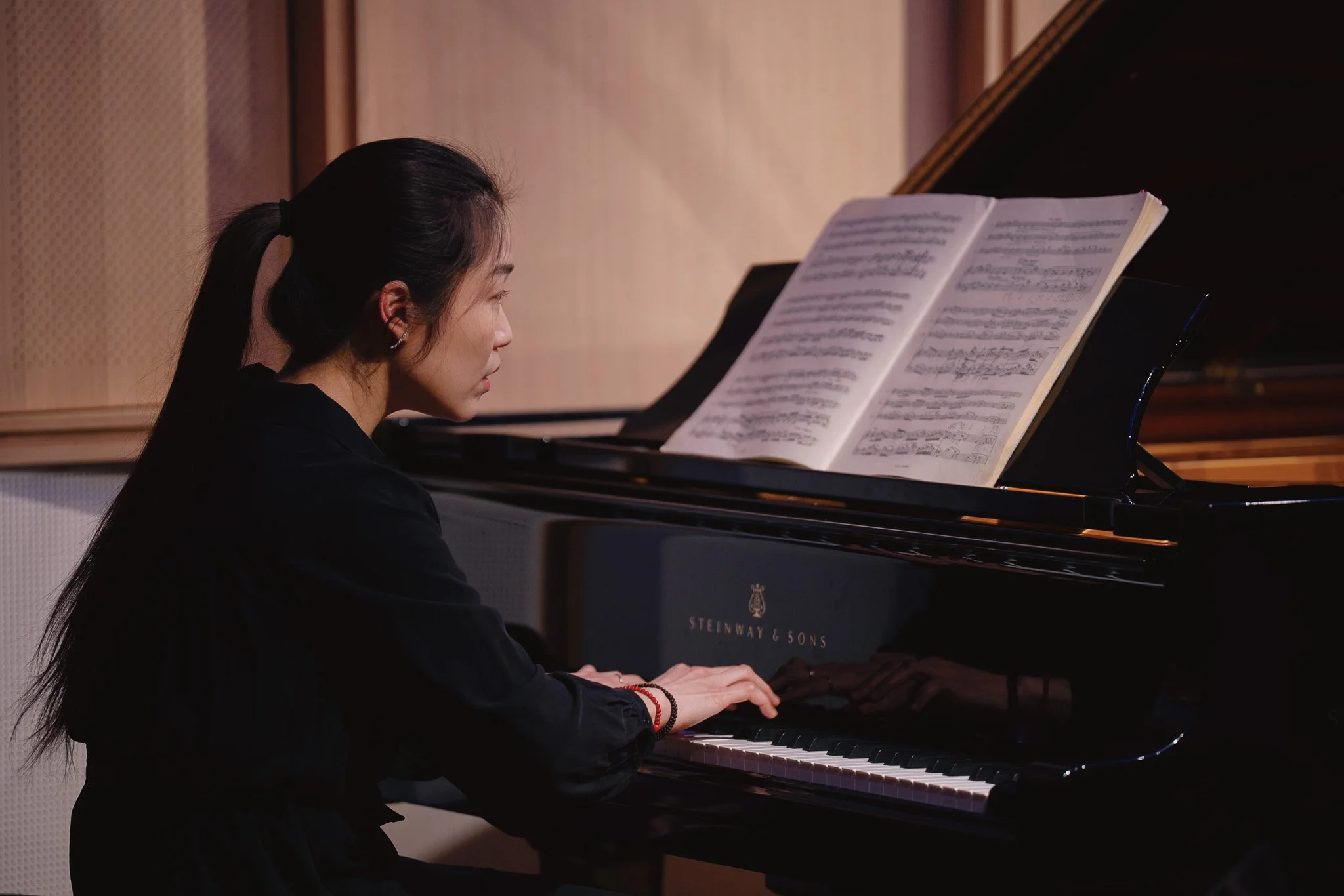
Yoonji Kim piano
Aliya Vodovozova flute
Rachel Fenlon soprano